
Friday Post: Nutcracker Choreography
The Good, the Bad, The Ugly

In case you missed it, in this week’s posts at Eurydice Lives:
Monday’s post with a little bit of pathology - you can identify causes of a problem without getting better at diagnosing it, you can identify things that make a problem worse without having much insight into what causes it, and more
On Tuesday: men seem to have a confusing response to female anger regardless of their political leanings, socioeconomic status, or dating history
Thursday’s writeup on nuclear power and its possibilities
The Nutcracker is the unsung hero of ballet companies worldwide, keeping almost all professional companies afloat with its massive revenue compared to nearly all their other projects. It comes with the benefit of an easy ability to incorporate children from the community, which inflates its cash cow status even further. I myself was in a professional production of the Nutcracker as a child, as nearly every girl who grew up dancing in Utah was, and the experience is still one of my favorite memories. I auditioned with hundreds of other girls, full of excitement and nerves, and ended up being cast during one of the years that my sister (the better dancer and the more classical ballerina of the family) was also cast. The (very strict) dance captain for the child performers let me stand backstage for all of Act II to watch my sister dance; a favorite memory.
The Nutcracker is something of a curiosity in general. Tchaikovsky, its composer, reportedly hated it, but it’s one of if not his very most famous compositions today. It’s been staged many times, with the first performance generated middling to poor reviews and accusations of excessive sentimentality (I love when a modern beloved classic was considered painfully schmaltzy in its time). The most familiar stagings of the Nutcracker build on the original from Balanchine, a ballet choreographers to end all choreographers, in part because Balanchine replaced a great number of the roles with children, and many companies have found that to be lucrative. This was first performed by the New York City Ballet in 1954. I’ve amassed a group of very instructive instagram reels of particular dances for our viewing enjoyment on this, the Friday-est Friday of the year.
Party Scene
The party scene is the first cluster of child roles, with a group of parents and their children, including Clara, gathered for a fancy Christmas party. At this party, Clara’s given a Nutcracker by the mysterious Herr Drosselmeier. Some scenes from different companies:
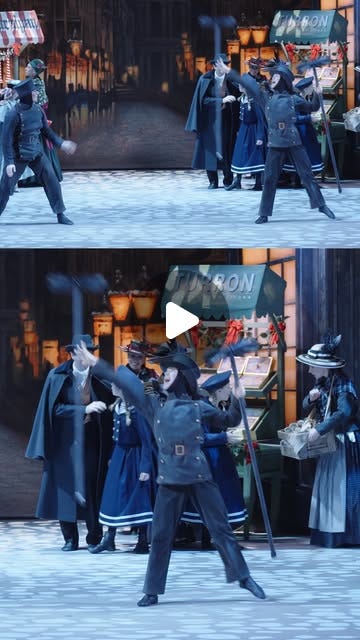
Most parts of this musical are well-known to the public, but the very, very beginning of it, just after the overture ends, is not nearly so famous. In my home company, this scene is similar to the one below - a scene outside as partygoers arrive. The sound of the violins nearly makes me cry from familiarity every time.
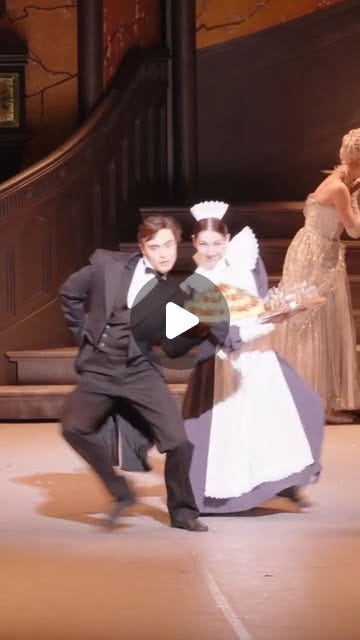
I’ve never seen a servantcore breakdown in the party scene before. I love that manservant looks like Chuck Bass and I love that we’re having fun with it.
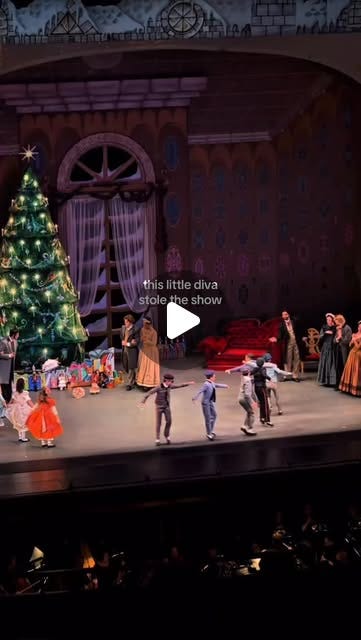
The children get to really ham it up with ballet acting, which is a very odd subset of stage acting involving dramatic motions and its own sign language, in the party scene, and it’s always a crowd pleaser.
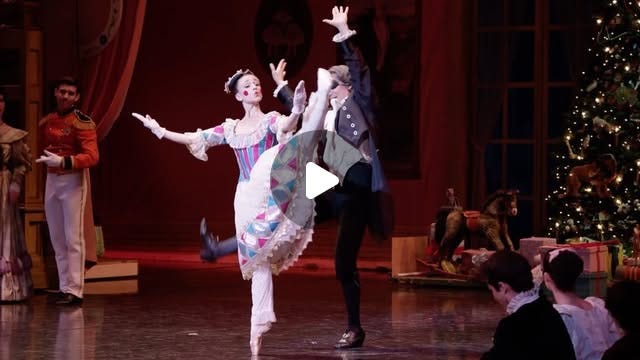
In the party scene, Herr Drosselmeier often trots out some of his suspiciously magical creations, which usually includes one soloist dancing as a doll.
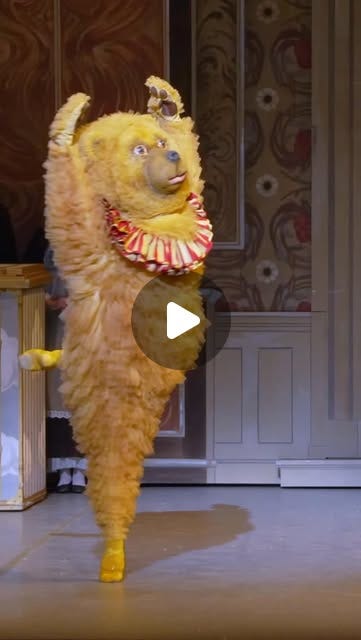
Many productions have a large Bear in the party scene, who gets a solo to a delightful banging piece of music in a minor key (which features a saucy little tambourine, an instrument I can’t say no to, ever1) while looking ridiculous and also suffering for his art immensely, given how difficult these costumes unilaterally are to dance in
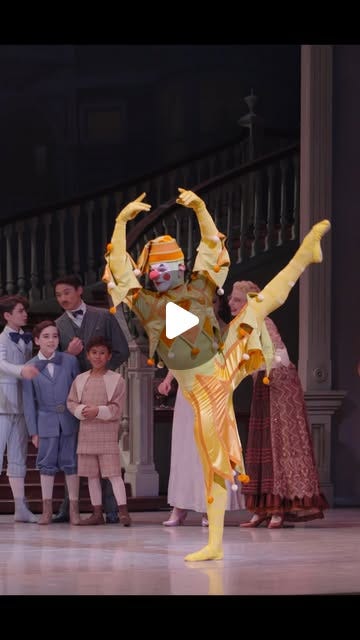
SF Ballet appears to have a Harlequin Doll opposite the Ballerina for the party scene, without my very important tambourine music. I really love the loose and funny choreography here, even if I miss the music and the absurdity of a bear costume.
Mouse King Fight Scene
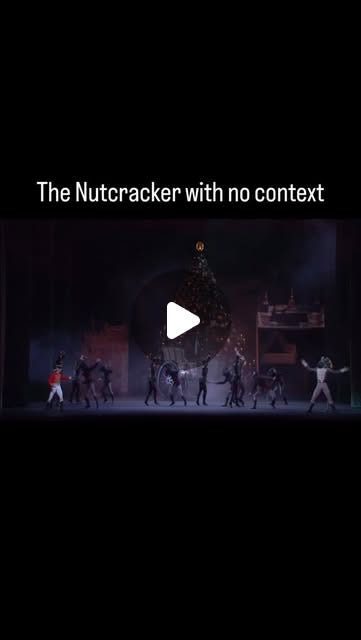
Shortly after the party, everyone goes to bed, but Clara, sleeping in the living room, notices something strange - the whole tree seems to grow, and suddenly she’s surrounded by man-sized mice, who get into a fight with her suddenly sentient nutcracker and some of her brother’s toy soldiers.
Here’s the gist:
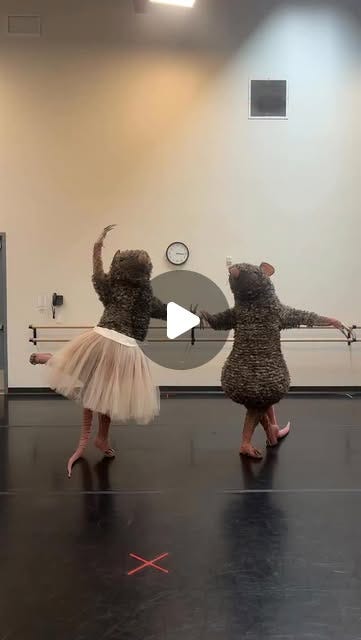
One of the best things about this fight scene in the social media era is that every ballet company posts about the indignities of being cast as a rat or a mouse in this ballet when November or December rolls around. I’ve seen about a million reels on the same theme as the following and they’re hilarious every time:
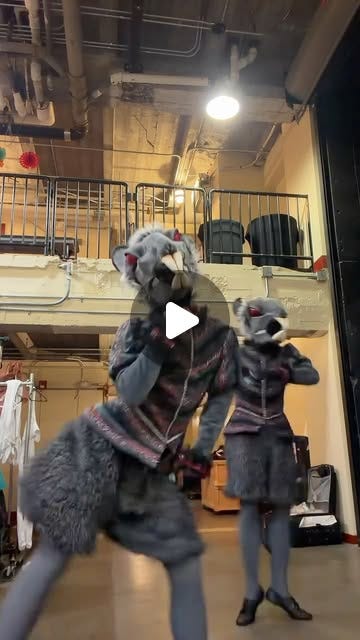
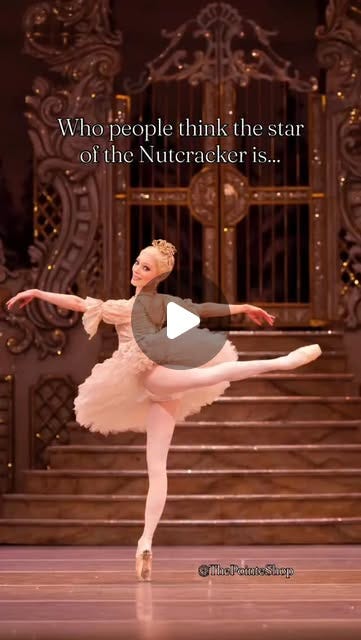
EVERY TIME:
Snow
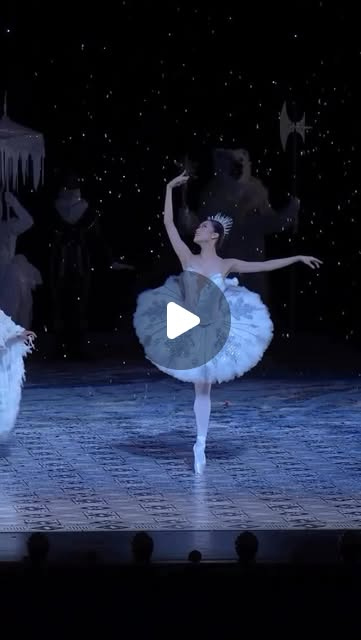
Act I ends with the Nutcracker spiriting Clara away to some other dimension as snow falls, the snowflakes seemingly transforming from ice to floating dancers as they go. Musically and choreography wise an under-appreciated moment in the show, imo, but the costumes are almost always spectacular.
Look at these (don’t miss out on the ice crowns or the white pointe shoes):
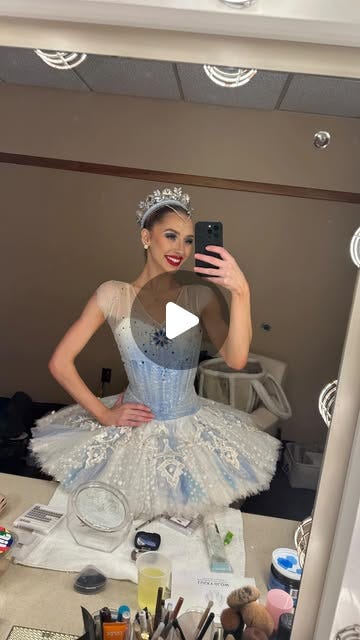
I’m legally obligated to include this snow rehearsal featuring a ballerina turning in a way that I can only dream of doing. You’ll hear in dance sometimes that you’re either a leaper (good jumps, good lines) or a turner (precision turns at high numbers, good balance). I am not a turner. I remember the few times I did a quad (right side only, of course) with reverence. Thus this dazzles:
Act II: Immediate Cultural Sensitivity Concerns
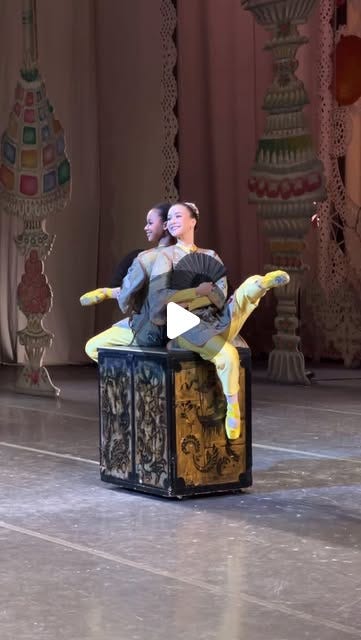
A fun thing about the Nutcracker is the very well-intentioned and often racist cultural appropriation in the source material that later productions have to find a way around. Consider: the Chinese number, which in my youth was still referred to as the Oriental number. The Boston Ballet’s answer to this problem is a bit of rhythmic gymnastics-inspired gauze, which is indeed a gorgeous choreography choice. It genuinely stresses me out to imagine doing leaps in pointe shoes on Marley while avoiding these things. Absolutely beautiful though, no question.
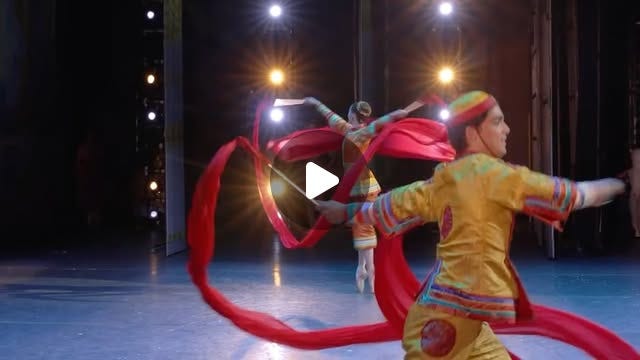
Some companies have updated in a different, more traditional direction, as with this one (look at the cute fn yellow pointe shoes):
There is an Arabian number that suffers from similar sensitivity concerns but in practice features gorgeous lifts and the most overtly sex-appeal forward ballet you usually find in the classics. Musically one of my favorite pieces in the ballet.
For example:
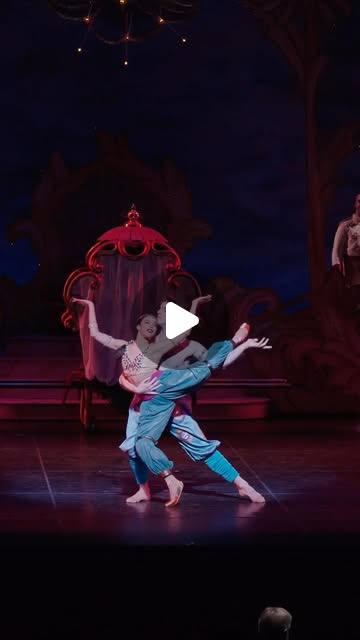
See also:
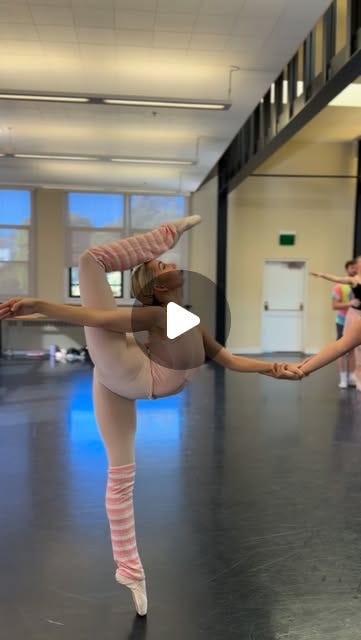
This rehearsal video of some ambitious lifts is a favorite:
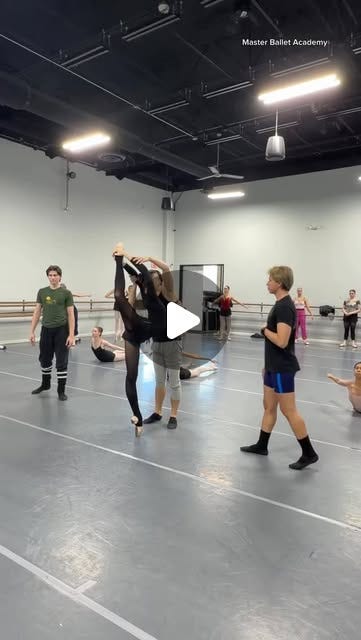
Big fan of this costuming attempt at improved sensitivity by making this more of a snake charmer number:
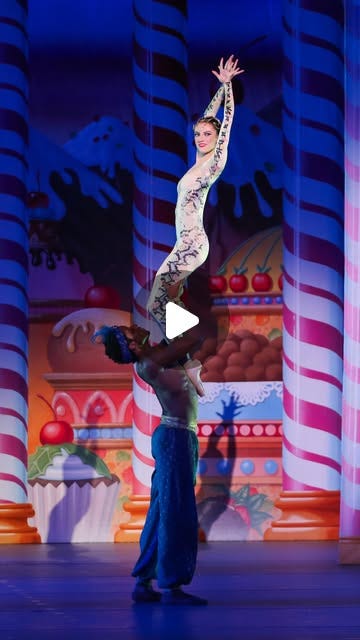
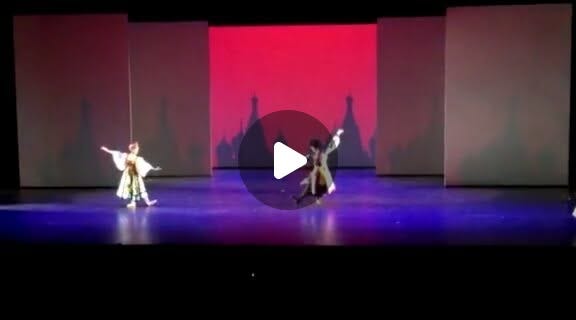
Absolute banger of a number however is the Russian dance, called Trepak. The only bad versions of this dance involve insufficient jumping. The music is that good. I think companies with good Russian dances actively keep videos off instagram, to be honest, because it’s one of the most popular songs in the entire ballet and the dancing tends to be acrobatic and spectacular, and I can hardly find any good examples of it. Even this one leaves some things to be desired, but it made it in due to beautiful costuming and an aerial for absolutely no reason:
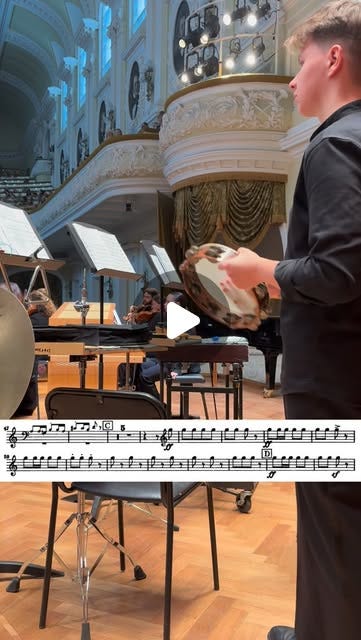
In lieu of spectacular Trepak videos, please enjoy this near-equally spectacular video to me of a man playing tambourine for Trepak:
The Pas De Deux Tends to be the highlight of the ballet, choreography- and technique-wise, but it comes so late in the run time and after we’ve seen the Sugar Plum Fairy Dance her solo and after so many recognizable pieces of music that most patrons find it much too long and also boring. To be a Pas De Deux fan tends to be reserved for real ballet people.
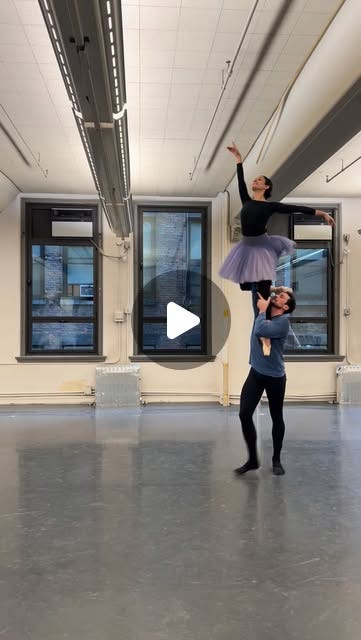
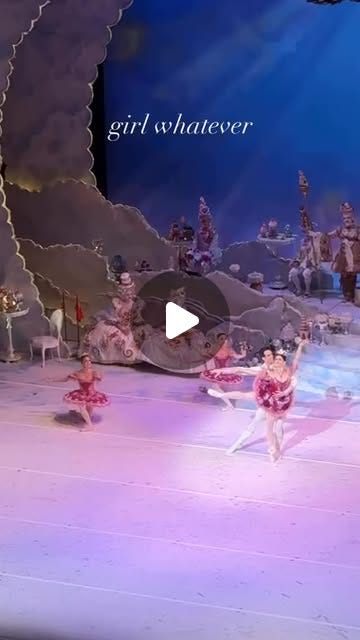
It’s always got some dazzling costumes:
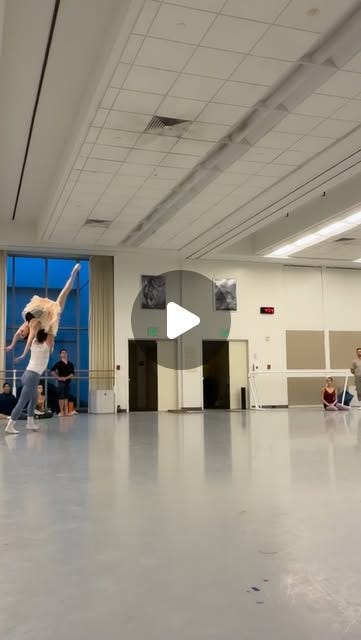
Some staggering lifts:
Every single time:
That is the story of one of America’s most popular ballets, which features a large middle section full of mildly questionable dances, performed every year to keep all the companies afloat. I love it with all my heart. Merry Christmas.